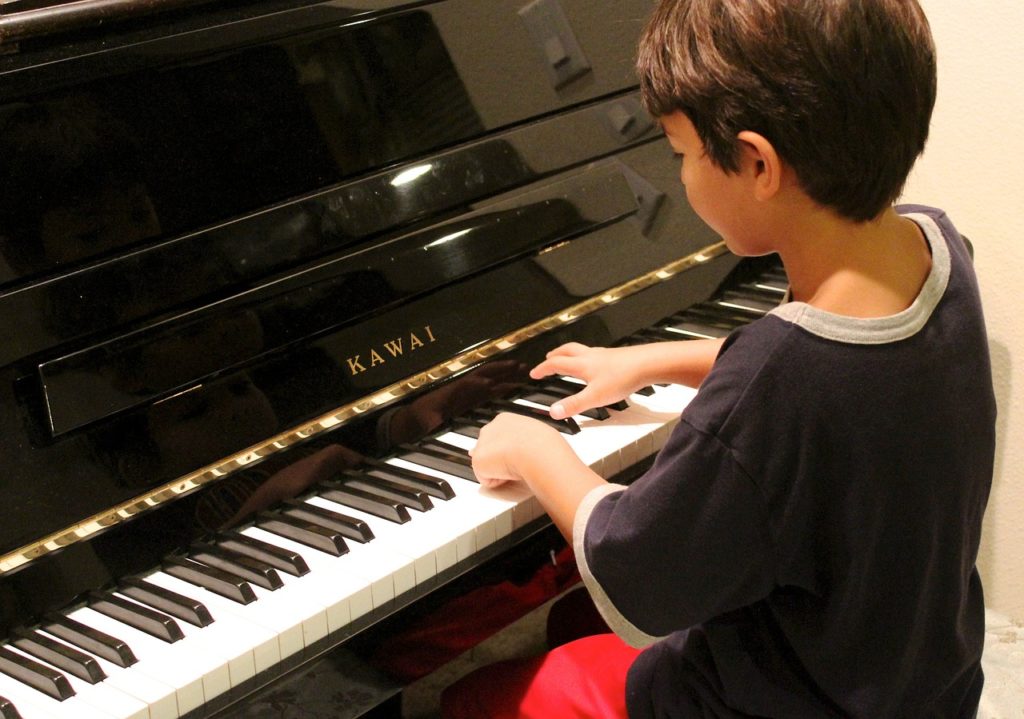
Once you’ve registered for a piano lesson in Nairobi, you must prepare yourself to attend the class. Learning how to play the piano is usually accompanied by a lot of excitement. It’s the most popular instrument among kids and adults alike, and also the easiest to learn. But you must prepare for your first class if you want to do well. These tips will help you get the best of your first lesson.
Know what your goals are
Before registering for piano lessons in Nairobi, you should know what your goals are. Is there something specific you want to achieve? Do you want to become a performer? Are you adding another skill to what you already have? Or maybe building a hobby?
Talking
to your instructor about your goals so they can create a plan that helps you
achieve them. Take notes and ask as many questions as possible.
2.
Collect all the materials you need
Get
a piano method book, or ask your tutor to recommend books you can use. Go
through all the “getting started” sections in the books. They will provide a comprehensive
breakdown of what you need for that first piano lesson.
If
your lessons are conducted in a school setting, such as Tutti Music School, the
teacher will give you a lesson plan for your level and take you through your
classes. This prepares you for each lesson, so you know where you are and where
you are going.
3.
Get the supplies you need
Most
beginner lessons do not need any supplies. However, it’s always great to have a
pen and paper with you. You are likely learning new terms and hearing them for
the first time, and you might not retain all of them at once. Writing them down
will give you a point of reference.
4.
Have the desire to learn
According
to research, a desire to learn is more important than background knowledge.
Piano lessons in Nairobi are no different. Remain positive about your classes
and be eager to hear from your teacher. Tutors are trained to make the lessons
enjoyable, which keeps your motivation high. However, your motivation to learn
is what will keep you going back to class.
5.
Prepare to practice
If
you have access to a piano, practice before and after your lesson. It is vital
to keep at it so that your skills can improve. Your tutor will provide simple
pieces to play and practice with.
The advantages of studying piano are numerous, but to help show you how to get started, you will need an experienced and thoughtful instructor. If you are looking for piano lessons in Nairobi, contact us to join our next class and know what you need to invest.
You are never too old to learn how to play a musical instrument, and the best way to learn is with a personal tutor. Whether your interest is casual or you want to be a professional, a private teacher is the way to go. Starting guitar lessons strengthens cognitive abilities as well as auditory memory. Music relaxes the mind and lowers depression and anxiety. The tuning choices, such as changing the tempo, tone, style, and rhythm of a musical tool, train the brain to be excellent at organizing and conducting numerous tasks at once.
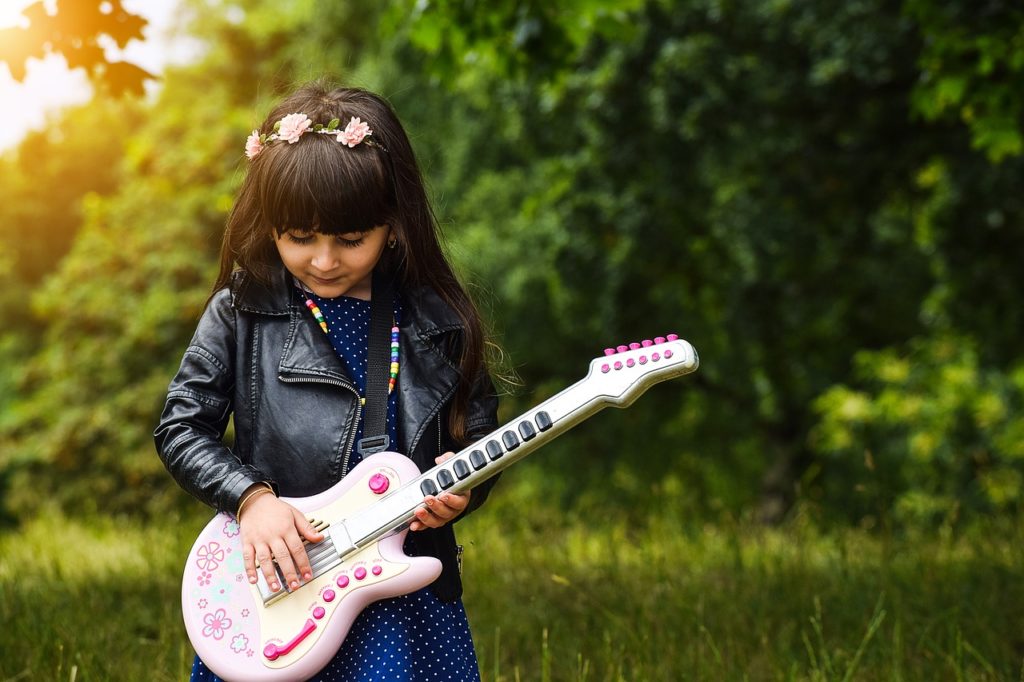
The best way to find great guitar classes is through a quick online search. Identify a school or class near you and start your guitar journey. Learning how to play the guitar can be very gratifying. Here are some great tips if you are thinking of taking some classes.
Identify your goals
It is important to know what you
plan to gain from your studies. Do you want to learn to play casually so you
can jam with your pals or professionally and maybe turn it into a career? Talk
to your teacher or instructor about what you hope to achieve by taking the
class. This can help them create a custom study plan to help you achieve your
goals faster.
Know the type of guitar lessons do you want to learn
There are many guitar playing
styles, such as classic, acoustic, electric, and jazz. If you know what type
you want to learn, you will make the most of your lessons. Your choices also
aid in picking the best tutor for you.
Know what materials you need
Before starting your lessons, it is essential to know what learning materials you need. Some schools provide guitars for their students, while others require that students have their own. Renting options are available for those who want to try it out before committing. By consulting with the school beforehand, you can find out what you need.
Take Guitar classes in a Professional Teaching Environment
Learning music isn’t only about
getting a good teacher. Having the right environment is important too. The
right environment is free of distractions like ringing phones, loud noises, or
anything else. While at a music school, you can get better results even with a
half-hour lesson weekly since the student is entirely focused. Students in a
class setting are also motivated by hearing their classmates who are at
different skill levels using various instruments.
Try and start guitar lessons early
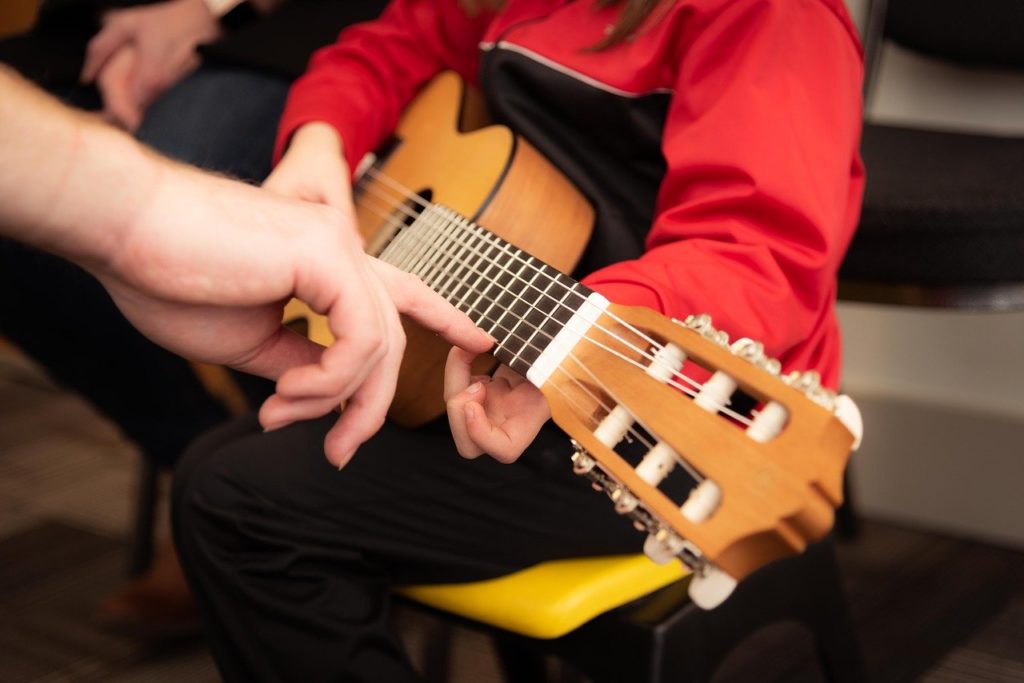
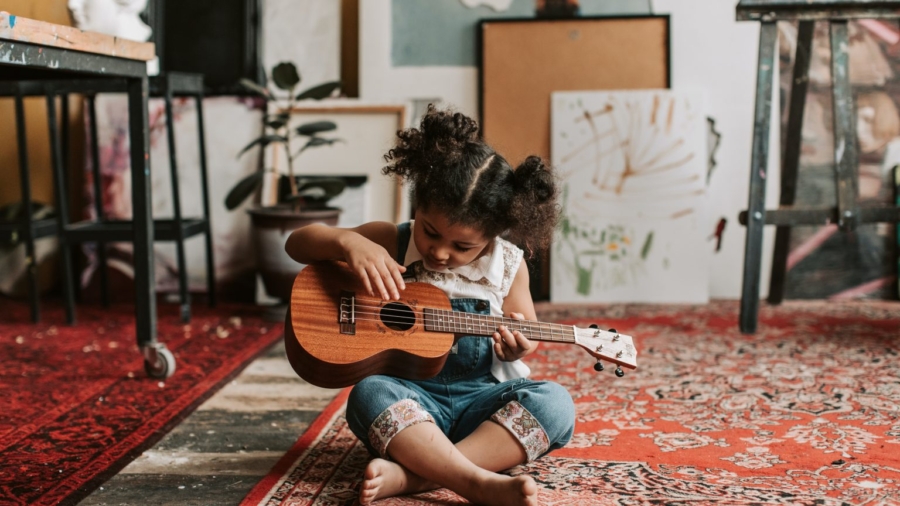
While you can learn how to play the guitar at any age, its best to start early. Playing the guitar requires applying some pressure with the fingertips to press the strings. Students, especially kids under eight have small hands and maybe uncomfortable while playing. If you want to take bass guitar lessons, then students should be ten years or older. The Ukulele is pretty simple, so kids can start once they are five. It is a great way to begin for a young student who wants to learn to play the guitar.
Music should be enjoyed for a lifetime. So, try not to have unrealistic expectations on yourself or your kids to learn too quickly. Everyone learns at a different pace, and the key is to enjoy the journey.
Music lessons have many physical and mental benefits. It cultivates useful life-long skills such as patience, coordination, concentration, and confidence for both children and grownups. What most people don’t know is that music has a lot of benefits for both adults and kids. Here are some of the benefits you get when you take music lessons.
Music is good for you
There are many articles about the benefits of learning music on the human brain, improving cognitive function, and boosting academic and learning performance. It has the most impact on kids, but adults get the same benefits.
Other than strengthening your brain, music also benefits the
rest of the body. When you hear good music, it causes emotional and
psychological responses that can help you cheer and relax. Music can also help
relieve pain in your nervous and cardiovascular systems.
It
improves academic skills
Music and math are linked. By understanding rhythm, beats, and music scales, students learn how to divide, form fractions, and identify patterns. By practising daily, the skills are hardcoded into the brain, making them long-term memories. Music also forms a base for several subjects. For instance, beating drums, or plucking guitar string teaches about harmonic vibrations.
It
helps develop physical skills
Some instruments, such as percussion, aid in the development of coordination and motor skills. This is great for high energy individuals as the instruments need you to move your hands, arms, and feet. String and keyboard instruments, on the other hand, demand various actions from both sides of your brain. Learning how to play instruments helps individuals develop good use of both their hands. It also helps them adjust quickly to uncomfortable situations. The enhanced hand and eye coordination, perfect timing, and rhythm can help children in other areas like dance or sports.
Music
helps your social skills
If you are a shy person, taking a music class can help you meet
people. This can also boost your self-esteem significantly. In group classes,
individuals interact and communicate, which encourages teamwork and
collaboration. Young ones must understand their parts in larger ensembles. If
they are performing together and someone is out of tune or lagging, they know
that they need to adjust. In group classes, students work toward a common goal
and strive to achieve it.
Students
learn patience and discipline
Learning how to play an instrument takes time. Music students learn the delayed gratification of achieving the skill needed to play the instrument. For instance, before you can play the violin, you must learn how to hold the violin, the bow, and how to place your feet. Students must persevere through hours, months, and even years of practice before achieving their goals. Students must be patient as it takes time to get a hang on these instruments. If they are playing as part of a group, they learn to wait for their turn to play. Waiting for their turn and listening to their classmates playing, teaches respect.
Music brings people together. It is a bridge that helps connect
with others. Music uses communication, creativity, and interaction to enrich
lives.
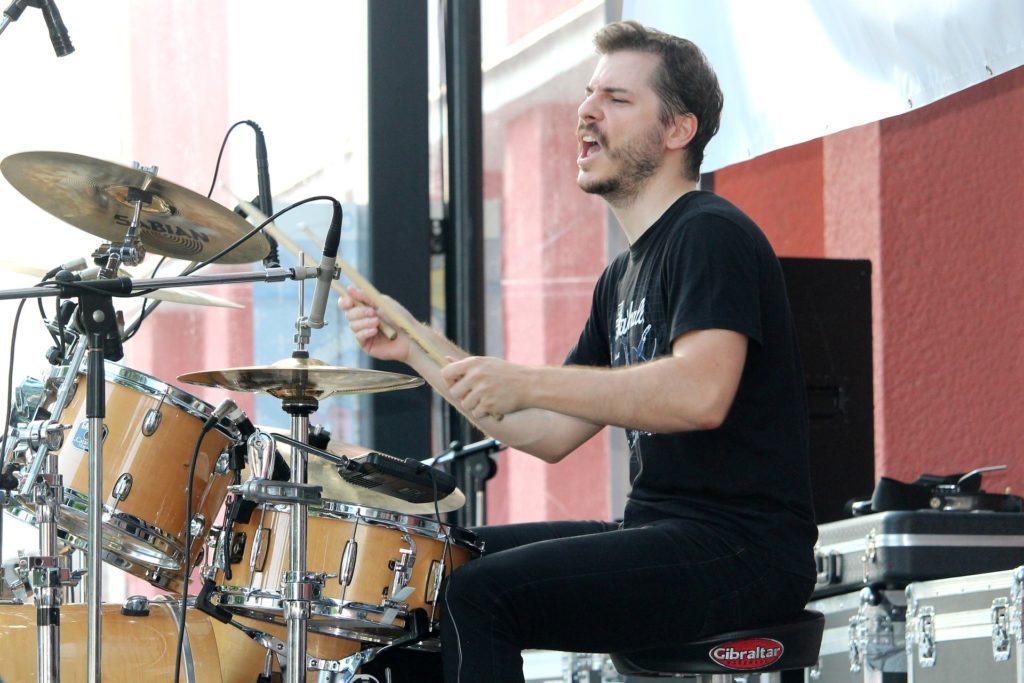
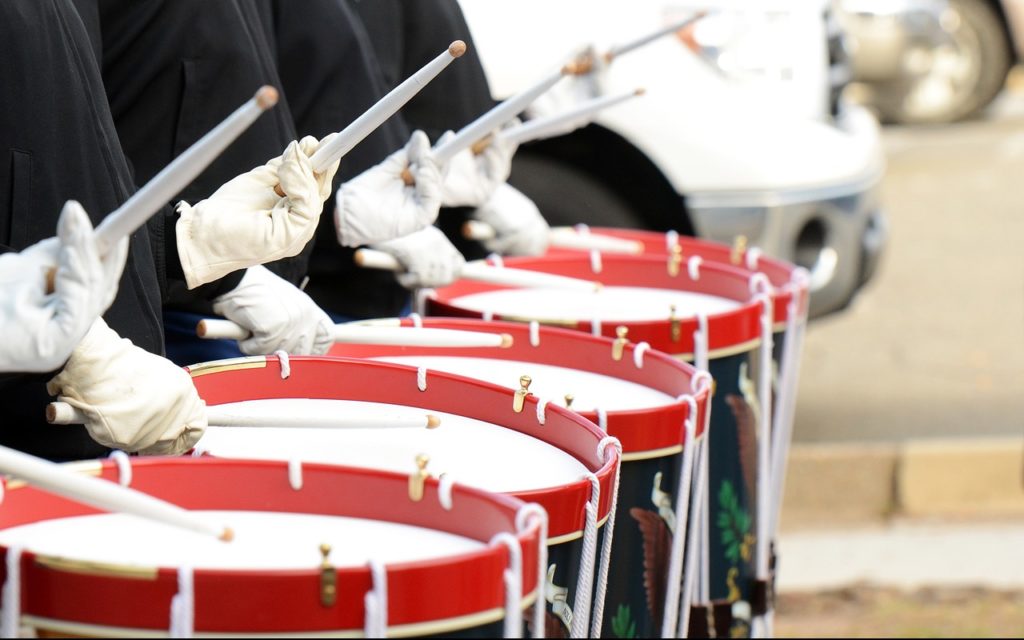
Are you fixed on learning how to play drums? You might be wondering where to find drum classes near me. Being one of the essential instruments, drums set the pace to the music and tell the other musicians where the song is going. But to do that, you must know how to play drums. This piece will show a list of things you should have in mind before you start learning.
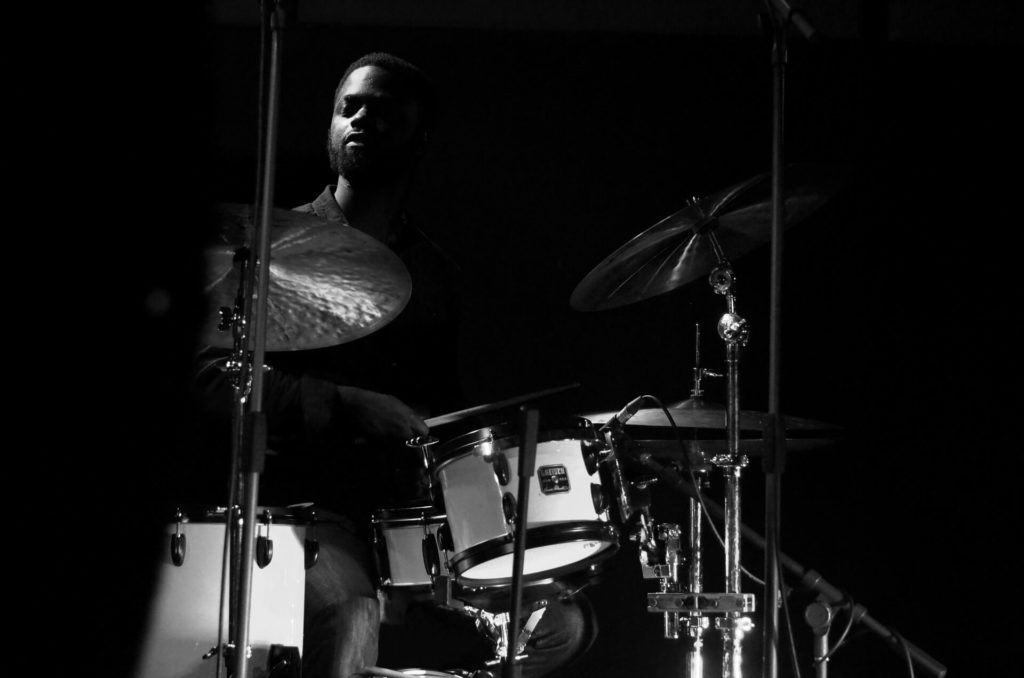
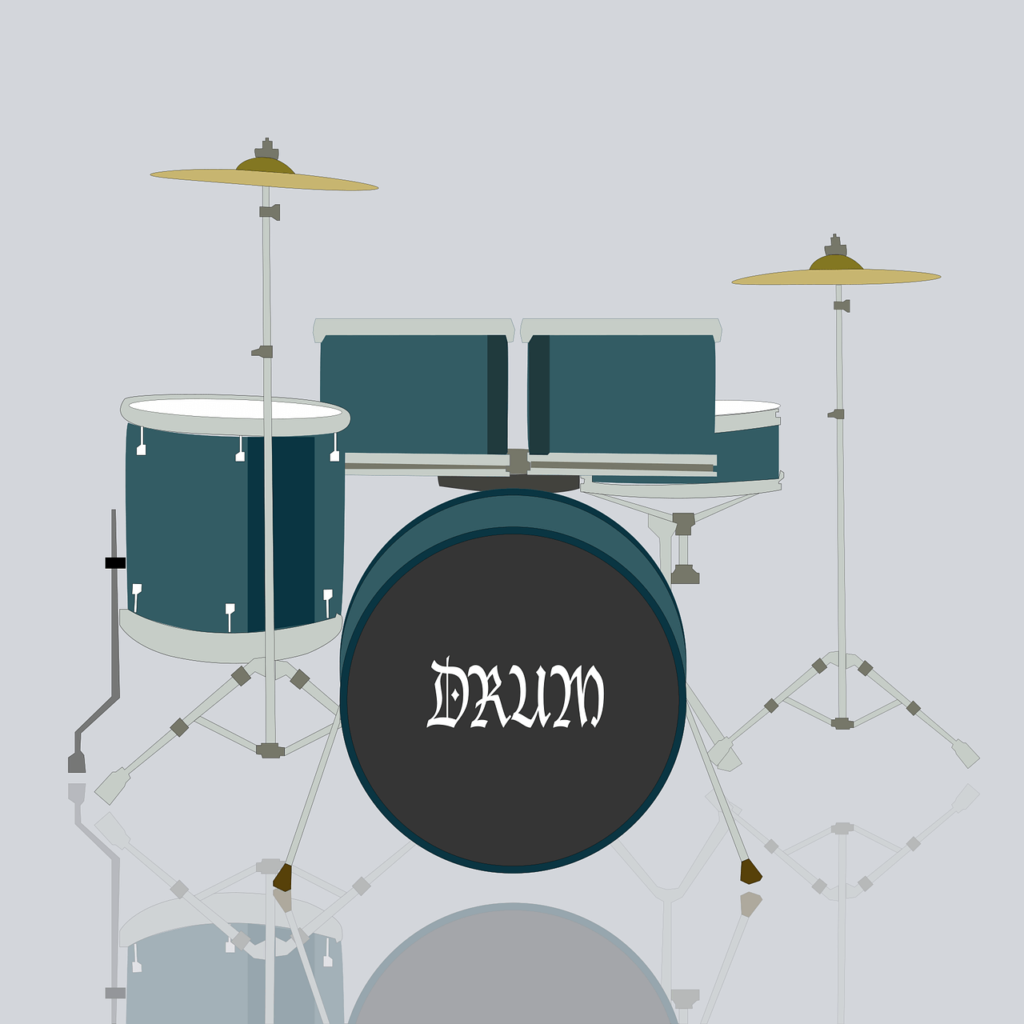
Drum Classes near me: Parts of a drumkit
Drums are composed of a lot of parts, and to know how to
play this instrument, you must know all the parts.
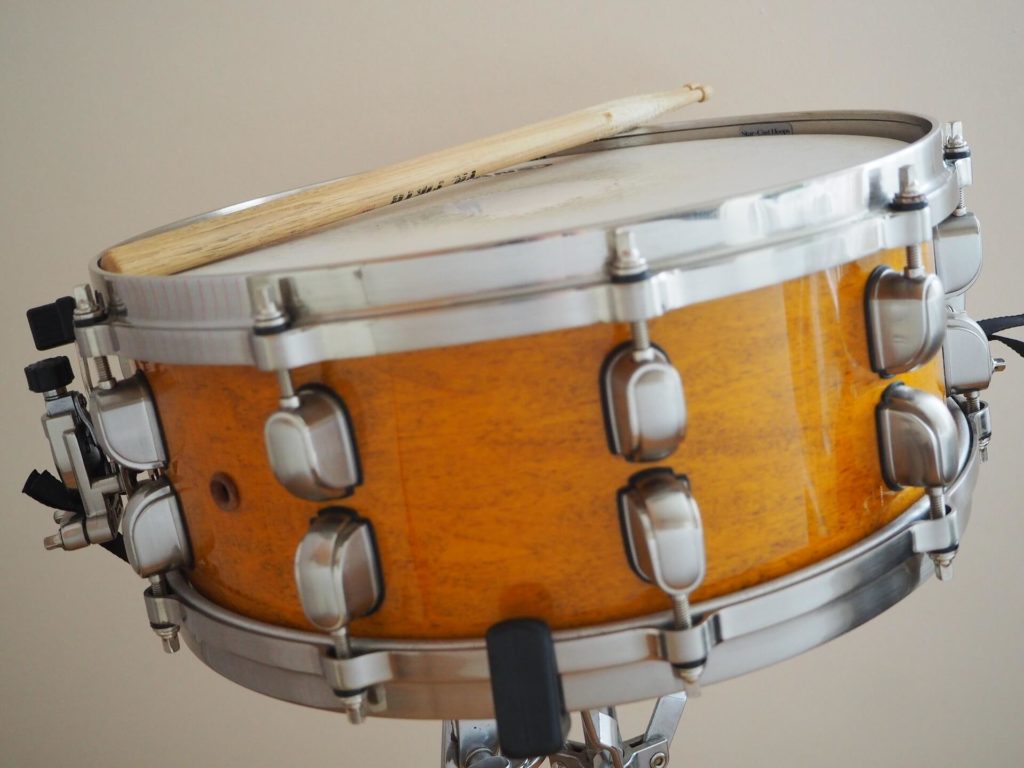
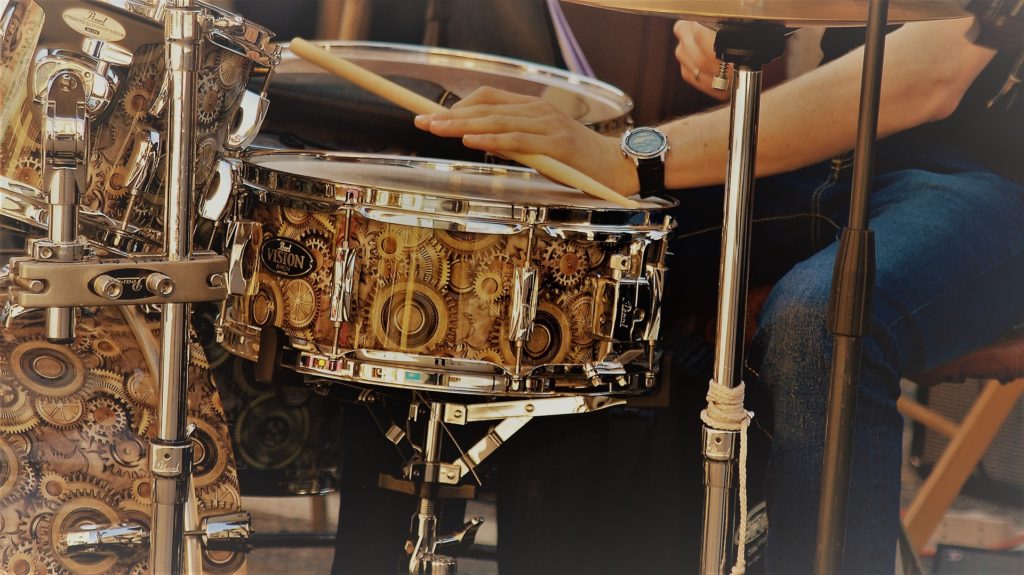
Snare drum
The snare is one of the most crucial parts of a drum set.
It’s at the center of the set, and it’s played to produce different tones and
forms. It’s most important role is to play the backbeat. This kit a set of
suspended snare wires that produce the classic sound associated with the snare.
Every beginner starts learning how to play drums by mastering the snare.
Bass or kick
This is the largest part of a drum. You play the bass
drum by kicking a pedal with your foot to produce a thumping sound. Metals,
maple, and mahogany are used to make it. The kick is found in different sizes,
which affect the pitch produced and the type of music you want to play. The
standard size, however, is 22” in diameter with a depth of 16”.
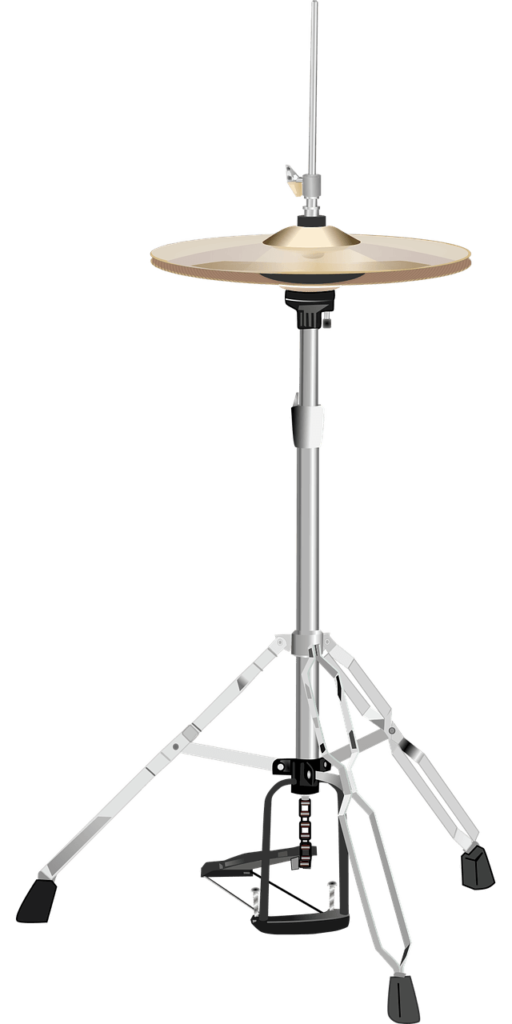
The Hi-Hats
Mounted on a stand, the hi-hats are two cymbals. Like the
kick, they are found in different sizes, but you the drum classes near me you
join will have the standard 14”. They give out a high-pitch sound compared to
other hats in the set. They are played using the attached foot, or by hitting
them with drum sticks. Like the snare, they are a crucial part of the kit
because they bring a variety of sounds when played. For instance, the sound
produced when they are closed, clapped, and crashed is different.
Tom-Toms
Toms are said to be a smaller version of the kick. They
look alike and sit on top of the kick. Like the snare, they have a batter skin
and a resonant, but the resonant is not always used. However, they don’t have
wires underneath. They also sound dipper than the snare but are not as deep as
the kick. Although the conventional drums set will have two toms, some players
will add other toms in different sizes for tone variety.
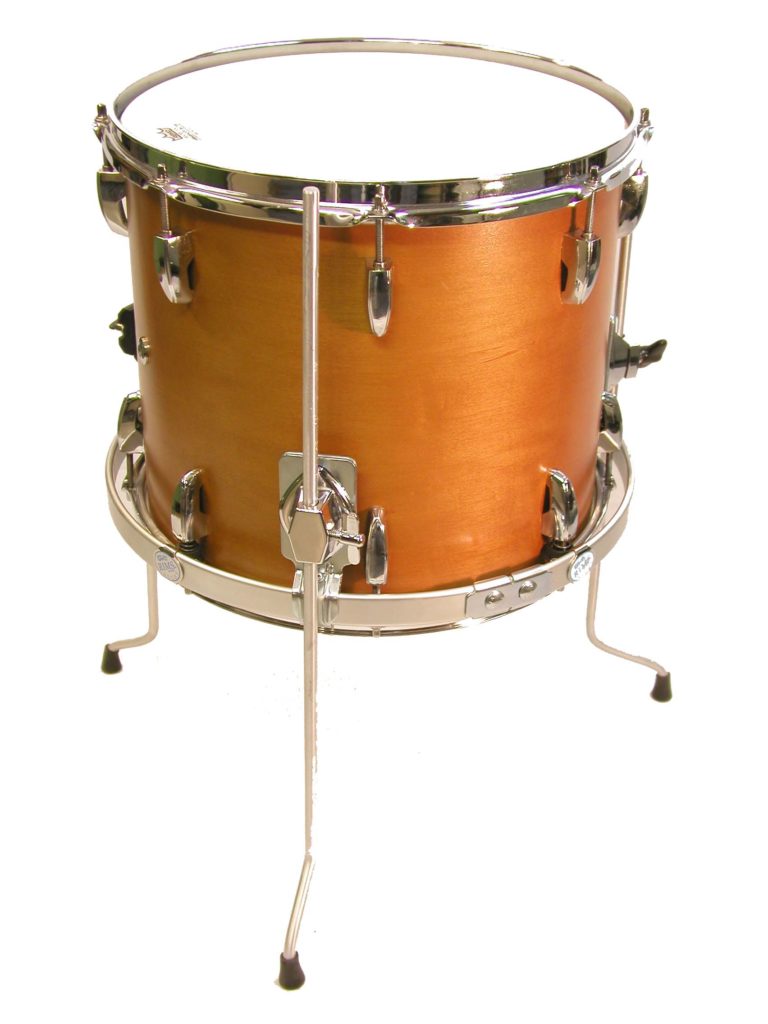
Floor Tom
Situated on the far right, the floor tom is quiet a large
kit. It’s not used as much as the other parts and is placed at the far end to
be out of the way. The drummer uses it during a fill as opposed to a regular
4/4 beat. Played with the right-hand stick, drummers usually play it in place
of the hi-hats to create a more ‘boomy’ sound.
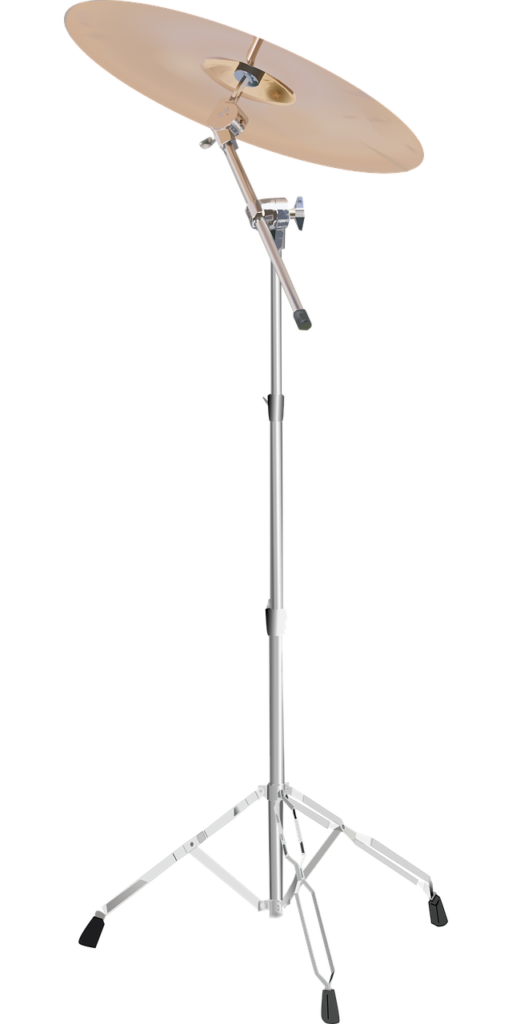
Crush cymbals
The crash cymbals are generally smaller than the ride
cymbals. They are played by striking them, often with a blow from the shoulders
of the stick. They are mostly used as an accent note at the end of the fill. A
drummer can also ride the cymbals to play powerful rhythmic patterns that are
usually played on the hi-hats. This often happens when the part of the song is
meant to be loud.
Drum classes near me: Equipment for beginners
The first part you need is free, and that’s your body.
It’s recommended that every beginner starts by tapping their hands, either on
their thighs, a pillow, or anywhere else. Play along to your favorite song and
try to follow the drummer as you pay attention to the other instruments. Always
keep a steady tempo, especially when you don’t have access to music. Alternate
between your right and left hand, and try mimicking playing the kick by tapping
your leg.
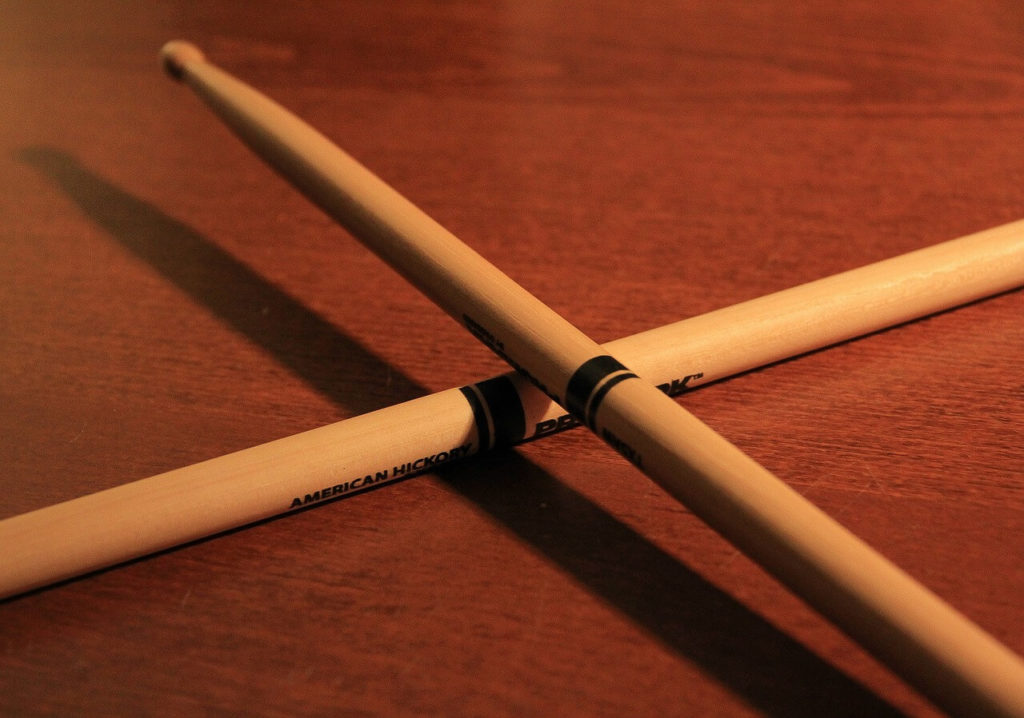
Once you have identified drum classes near me, buy a set
of sticks. This is a crucial part of learning, as critical as the drums kit you
will be playing. It’s also recommended that you buy a rubber practice drum pad
that will be vital for your practice, especially in the early stages of
learning.
How to hold drum sticks
Proper technique is vital in playing drums, and the first step is to learn how to hold your drum sticks. You can either use a matched grip or a traditional grip. A matched grip is where you hold the sticks same way with both hands. Your thumb should be opposite your index finger, creating your pivot point. Matched grip has German, American, and French variations. Your teacher will advise on which technique to use, depending on where you decide to learn how to play drums.
The traditional grip, on the other hand, is used for jazz
music and drum lines. To use this grip, you extend your left hand as if shaking
someone’s hand. For the best technique and sound, always place your stick
between your thumb and index finger, and have it rest on the cuticle of your
index finger. Let your middle finger rest lightly on the top of the stick,
which helps you create a pivot point. A unique thing about this technique is
that you twist your hands while you play as if you are turning a doorknob.
The correct posture and foot technique
Everyone is different, but learning the right method in terms of posture and footwork is vital when you join drum classes near me. It’s difficult to unlearn bad habits, so learn the best posture and foot technique from the word go. Always sit whichever way is most comfortable for you. Set the stool, or drum throne to a comfortable height. There is no right or wrong, so go with what works for you. The height should be such that your thighs are sloped slightly towards the floor while your shins are vertical. Your knees are right under your knee.
Your posture should be such that you are as floppy as
possible, but you should not slouch. If you slouch, you are probably too low,
which will likely impede your breathing. Maintain good posture by sitting up
and straight at all times, and always remind yourself not to slouch from time
to time.
When playing on a right-handed kit, your left foot goes
to the hi-hat pedal while your right-hand goes to the kick. Your heel should be
at the base of the pedal. Make sure it feels comfortable without lifting your
foot. Your shin should point straight ahead. You want to have as much force as
possible when your upper leg goes down into the pedal. If your posture is not
right, you will strain to do this, which will result in the bass drum moving
forward.
While you can read about the basics of how to play the drums, drum classes near me can help you get the technique right. Always consult your drums teacher and listen to instructions before you experiment. Learn the basics, and add your technique and soul to the music to create something truly unique, and a beat worth dancing to. Join drum classes.
Incorporating music lessons into your child’s education is
one of the best things you can do for them. Not only does music open up endless
opportunities, but it also helps to develop their cognitive functions. Research
also shows that learning to play an instrument allows kids to be more
disciplined, confident, and social.
However, in their book The Right Instrument for Your Child, Atarah Ben-Tovim and Douglas Boyd state that most children who give up or fail on music instruments do so because they chose the wrong instrument. The secret to succeeding in music is choosing a musical instrument for your child that is fit for the person. These are some of the things to consider if you want to help your child pick the right instrument.
1. Your child’s age
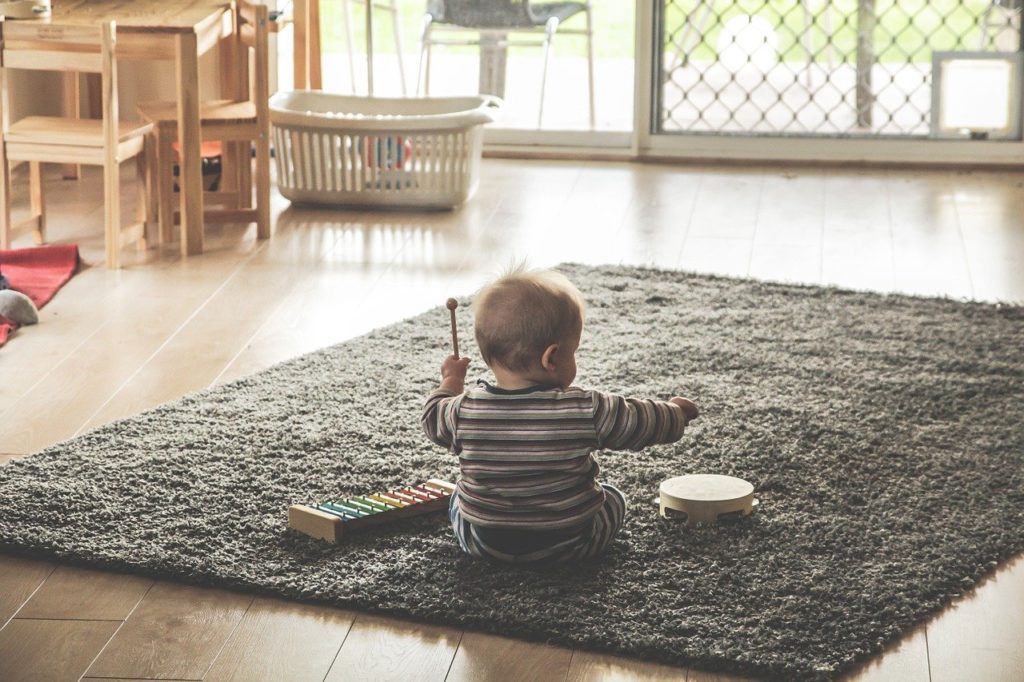
Experts recommend that children should start learning to play instruments as early as three years of age. However, the younger a child is, the fewer options they have. Children younger than six years can start with a piano or violin because they provide foundational music skills, and they are easier to learn. As a child grows older, you can expose them to more prominent and complicated instruments that require more physical energy, bigger body, and maturity.
2. Your child’s body type
As you think about picking an instrument for your child, consider their body type. For instance, a piano requires long slender fingers so they can reach the top keys without leaving the low notes. Kids with bigger lips may also not be suitable for instruments that are played with the mouth. Similarly, if a child has braces or their front teeth are missing, learning an instrument that requires blowing may be painful for them. It’s also prudent to assume that a short child will not hack the bassoon because its 6-feet tall.
3. Their personality
A child’s personality should be a key consideration when choosing instruments. Nature dictates the kind of music a person likes and in connection, the instruments as well. Extroverts enjoy being the center of attention, so they will never be drawn to pianos and those other behind-the-scene instruments. An extrovert wants to play the electric guitar in a rock band, the trumpet, and the violin as a solo act.
4. Their interest
A big mistake you can make is choosing an instrument a child
plays on your own. Children may not know precisely what they want to do in
life, but they know what they like. It is essential that you let your child
pick what interests them most, even if that may change later.
There are several ways to know what a child likes. You can listen to several types of music and watch which parts of the songs excite them. For example, people who are rock fans desire to play the guitar and drums. On the other hand, if they like jazz music and RnB, you can introduce them to the flute, piano, and clarinet.
5. How your child thinks
In a bid to pick an instrument for your child, it’s crucial to consider how they think. Children who are curious, analytical, and highly intelligent will be drawn more to a piano, trombone, and oboe. The instruments require a bit of thinking and analysis as compared to drums and guitars. You have to calm down, learn the notes, and really utilize the brain to play.
6. Test a few instruments
Even if you know the child’s personality and what they like, choosing a musical instrument for them can still be daunting. A great way to narrow down the options is to test a few instruments here and there. Take them to a band and let them play the guitar and some drums. You can also allow them to test the church piano and the flute. Checking out a few instruments with their hands will help them decide what felt better and more enjoyable.
7. Help them identify a role model
Having somebody you admire to look up to is necessary in every field, especially music. As you check out several instruments, do the same with music giants out there. Let your child see them in their element several times until they are drawn to one. Singer Nadine Sierra who participated in From the Top said that watching an opera only once captivated her so much that she knew immediately it’s what she wanted to do.
Choosing a musical instrument for your child is a big responsibility because it will determine if they like music or not. However, besides picking the right instrument, you also have to ensure they practice at least 30 minutes every day to get the hang of it. Never force a child to play something because it’s what you like and always consider their feelings.
If you think you are too old to learn how to play a musical instrument, think again. Older adults are slowly letting go of the notion that piano and violin lessons are for kids. A recent post in The Washington Post tells the story of several people who have learned how to play an instrument at an advanced age.
It turns out that there is an upside to learning new things as an adult;
Adults are more motivated and focused because it’s their choice.
They also bring skills that they have learned from other things as well as analytical thinking.
For some people, the period after you are done raising kids and going to your 8-5 job is the perfect time to learn musical skills. You have all the time in the world, and you can finally scratch it off your bucket list and let that itch go.
From a scientific point of view, learning how to play a musical instrument helps to improve your cognitive skills, memory, and even emotional health. Music is what circuit training is for the brain; it exercises all the cells and prevents them from dying. As an adult, playing a musical instrument expands your social circle, builds your self-esteem, and helps you to improve on other things.
Make no mistake, though; learning how to play a musical instrument when you are older is by no means easy. You will need boatloads of patience and determination to sit through many days of practice until you master the basics. If you remove all the excuses out of your mouth, these tips will help you to accomplish your dream of being a musician no matter how old you are.
Just start
Your most significant obstacle to being a good guitarist or pianist is procrastination. You are afraid of failing because of all the stories you have heard about older people being slow. You are embarrassed to start something at your age and fall on your face. You are scared of what people will say, so you keep pushing it forward.
Just start. Today!
Take that first step to buy the instrument, contact a teacher, or download that YouTube tutorial.
Find the ideal teacher
Adult learning is very different from the way kids learn. Unlike children who have limited muscle training, adults have long muscle memory from all those years they have been doing things. It is, therefore, hard to retrain their fingers to do something else. A teacher who specializes in teaching adults will be better versed to train your brand-new hand forms, posture, and movements.
As an adult, you also have other things that could take priority over practicing music. A teacher will help you to come up with a schedule that works for both of you.
Find a partner
A suitable teacher will play a massive role in keeping you motivated. However, playing a musical instrument when you are older takes time. It would help if you had someone you can encourage each other through the journey and laugh at yourselves. Better yet, find a community of music players who are learning so you can practice together.
Be careful, however, not to compare yourself to each other because you will learn at a different pace.
Set reasonable goals
What is your end game after you learn how to play that guitar? Do you want to play in a band, play in church, or entertain your kids after dinner? It is very common for a beginner to aim high and dream about making music for others. However, in the beginning, you should take it one step at a time.
Maybe your first goal can be playing something that vaguely resembles music, and then you can move to make your teacher happy. With time and practice, the sky is the limit.
Use your transferable skills to play an instrument
The best thing about adult learning music is that you already know a lot of things. Your brain is full of skills that will help you in your journey of music. For instance, skills like analytical thinking come in handy when playing instruments because you want to know why something happens. You have also mastered the art of typing without even looking at the keyboard. Use those skills to place your fingers in the right place when playing an instrument.
When asked what advice they would give beginners, people who started playing instruments at an old age said you need to enjoy the rewards. With practice, you will realize your memory is improving, your hands are lighter, and you are generally happier. Enjoy every step and celebrate even the smallest milestone.