Our Services
Schools across Kenya struggle with fragmented, unreliable, and inconsistent co-curricular programs. Tutti solves this by providing a unified, well-managed system that brings together music, dance, skating, chess, martial arts, and other activities under a single, coordinated structure.
How Our Program Works
Our program gives schools a fully managed, end-to-end system for co-curricular activities with zero administrative strain.
Why We Are Different
We provide a structured system that guarantees consistency, accountability, and continuity throughout the school year.
Beyond The Classroom
Real growth happens when students step into spaces where they can explore, practice, and excel.
Activities We Offer
Our Co-Curricular Activities in Kenyan Schools
Demesne far hearted suppose venture excited see had has. Dependent on so extremely delivered by. Yet no jokes worse her why. Bed one supposing breakfast day fulfilled off depending questions. Whatever boy her exertion his extended. Ecstatic followed handsome drawings entirely mrs one yet outweigh. Of acceptance insipidity remarkably is invitation.
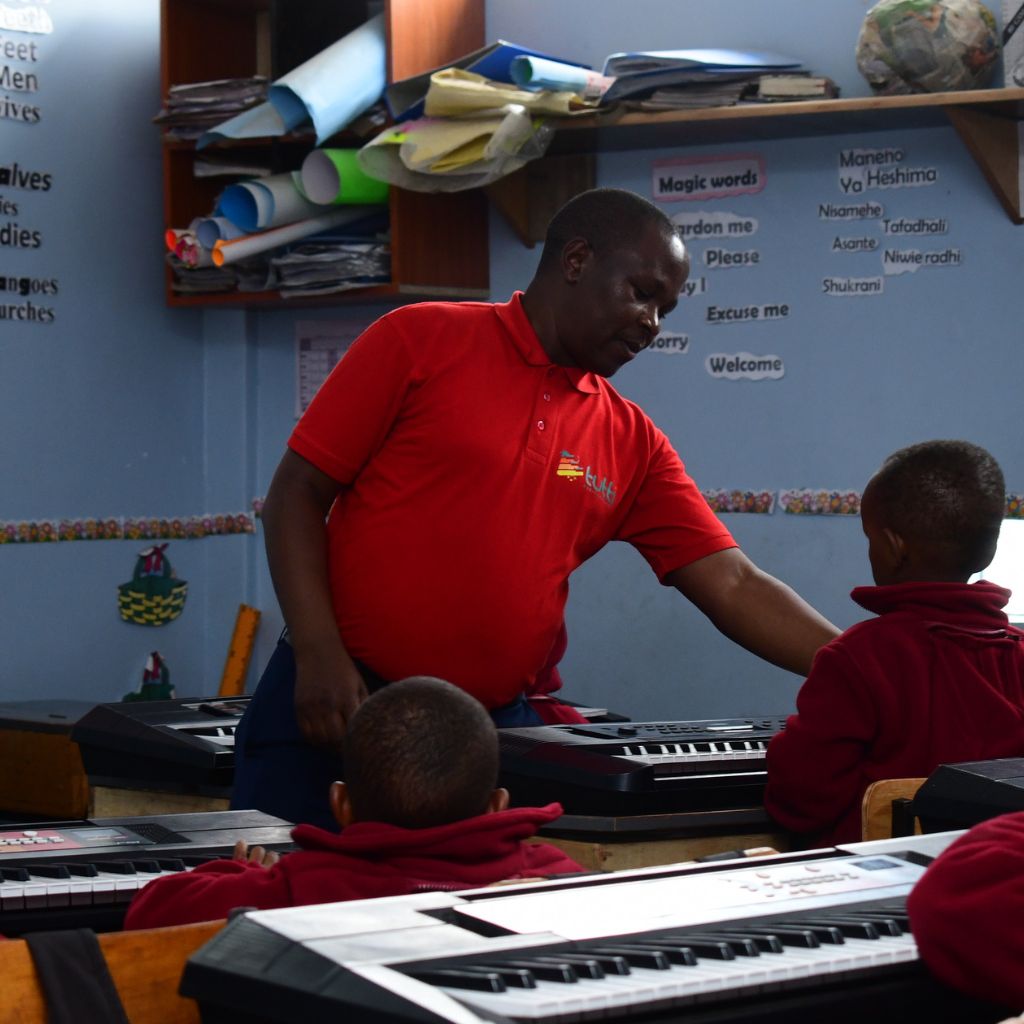
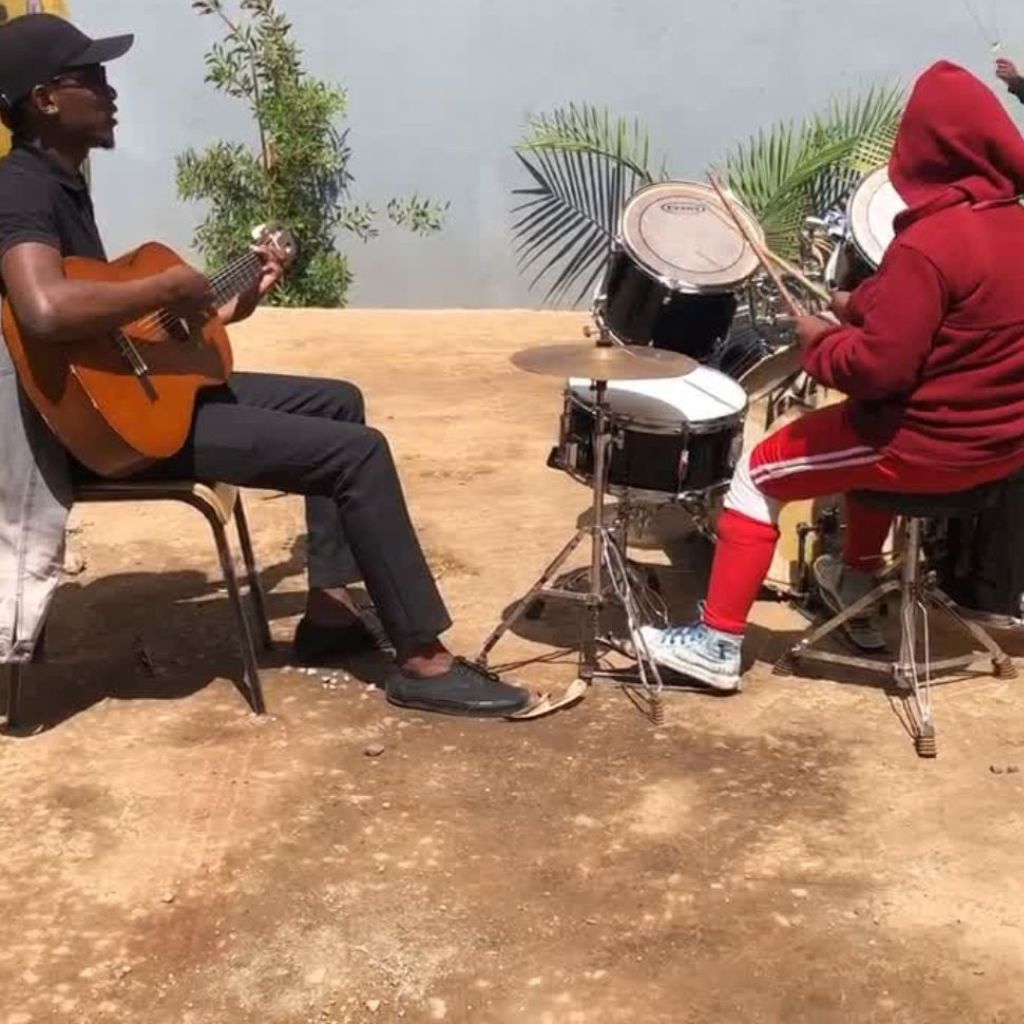
Our Music Instruments Program is designed to nurture talent, build confidence, and develop musicianship in every learner.
Comprehensive Curriculum
Our carefully structured curriculum ensures learners develop a strong foundation in both practical skills and music theory. It’s progressive, clear, and tailored to guide students from beginner to advanced levels.
Professional Teachers
All our instructors are either qualified music graduates or have achieved ABRSM Grade 5 and above. Their expertise and passion ensure learners receive top-quality guidance and personalized support.
Tailored Workbooks
We’ve developed unique workbooks that align perfectly with our curriculum. These resources integrate music theory, repertoire, assignments, and assessments, making learning organized, consistent, and effective.
Participation in Festivals
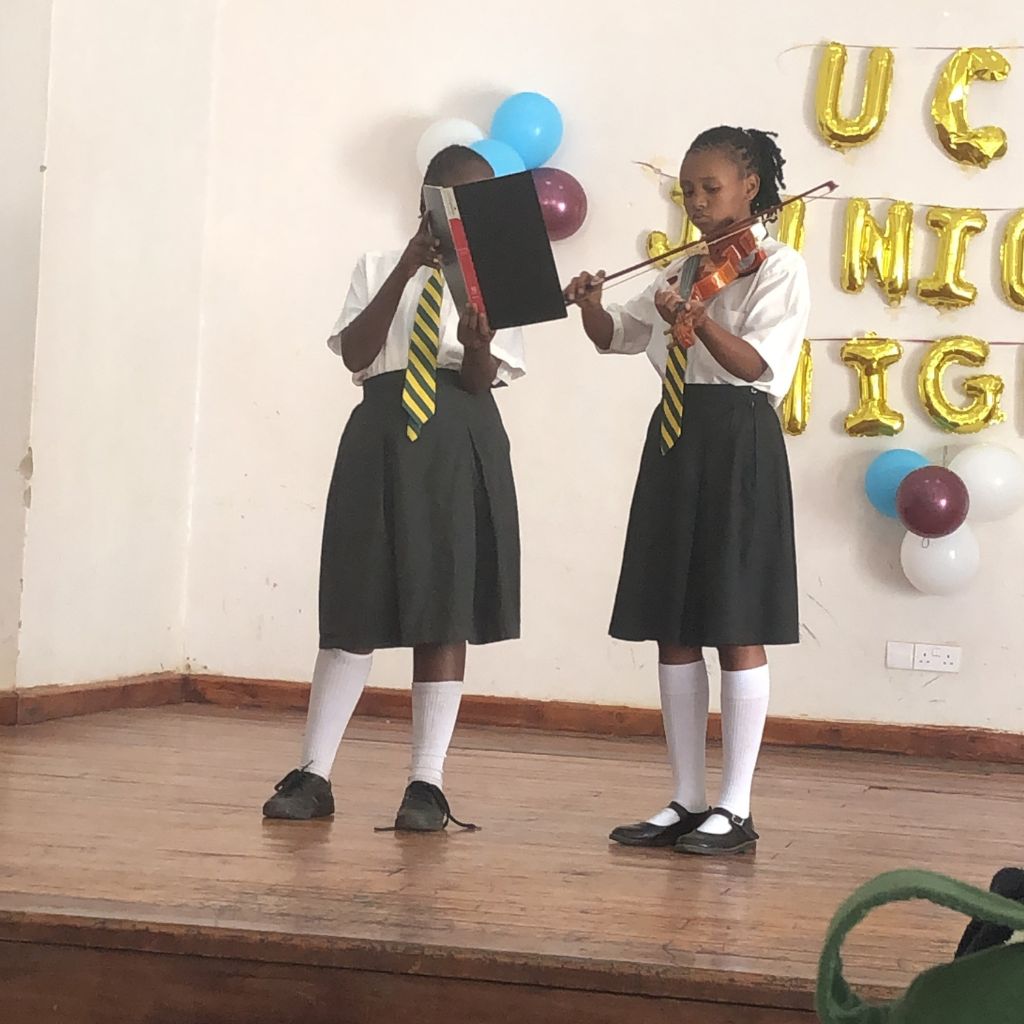
Our learners are encouraged and prepared to participate in the Kenya National Music Festivals. These opportunities allow students to showcase their skills, gain performance experience, and receive valuable feedback from experts.
Annual Recitals
Each year, we host recitals where students perform in front of their families. These events celebrate progress, build confidence, and give parents a firsthand view of what their children have achieved.
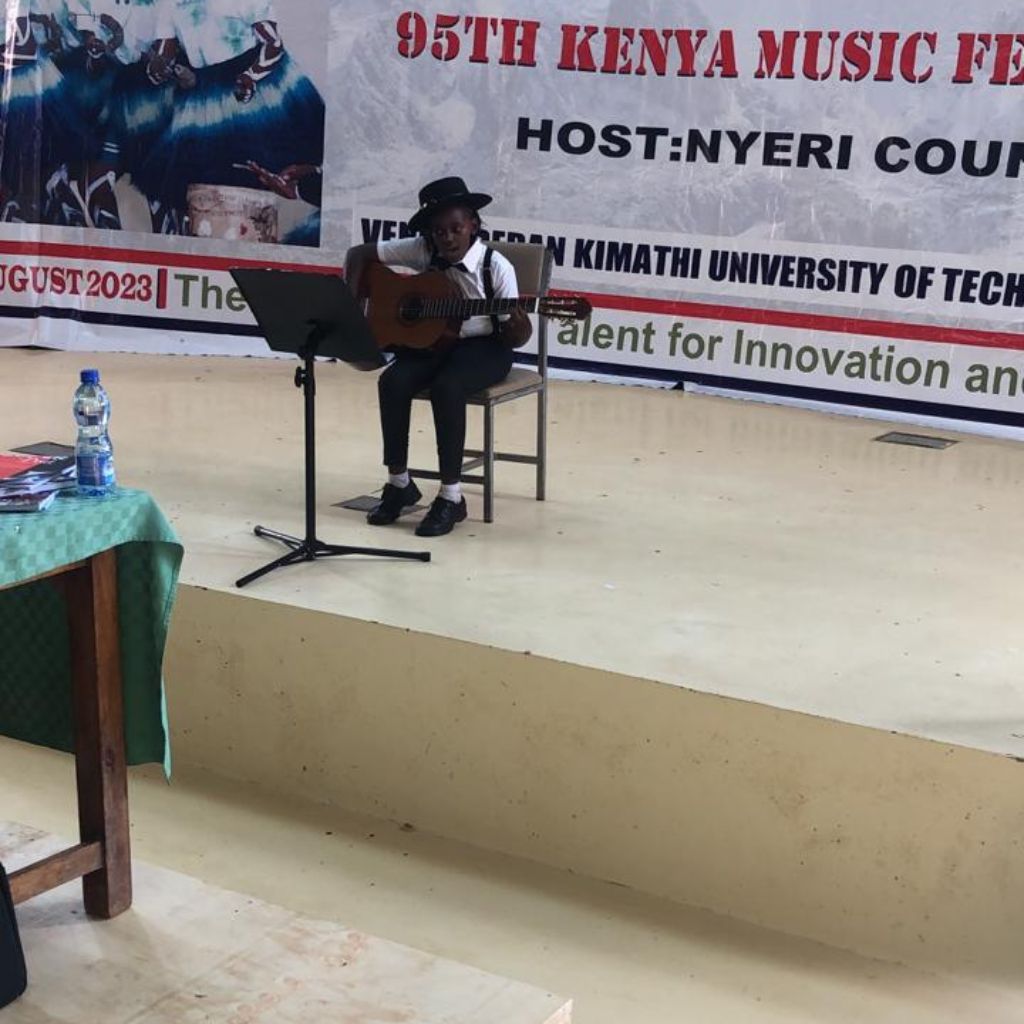
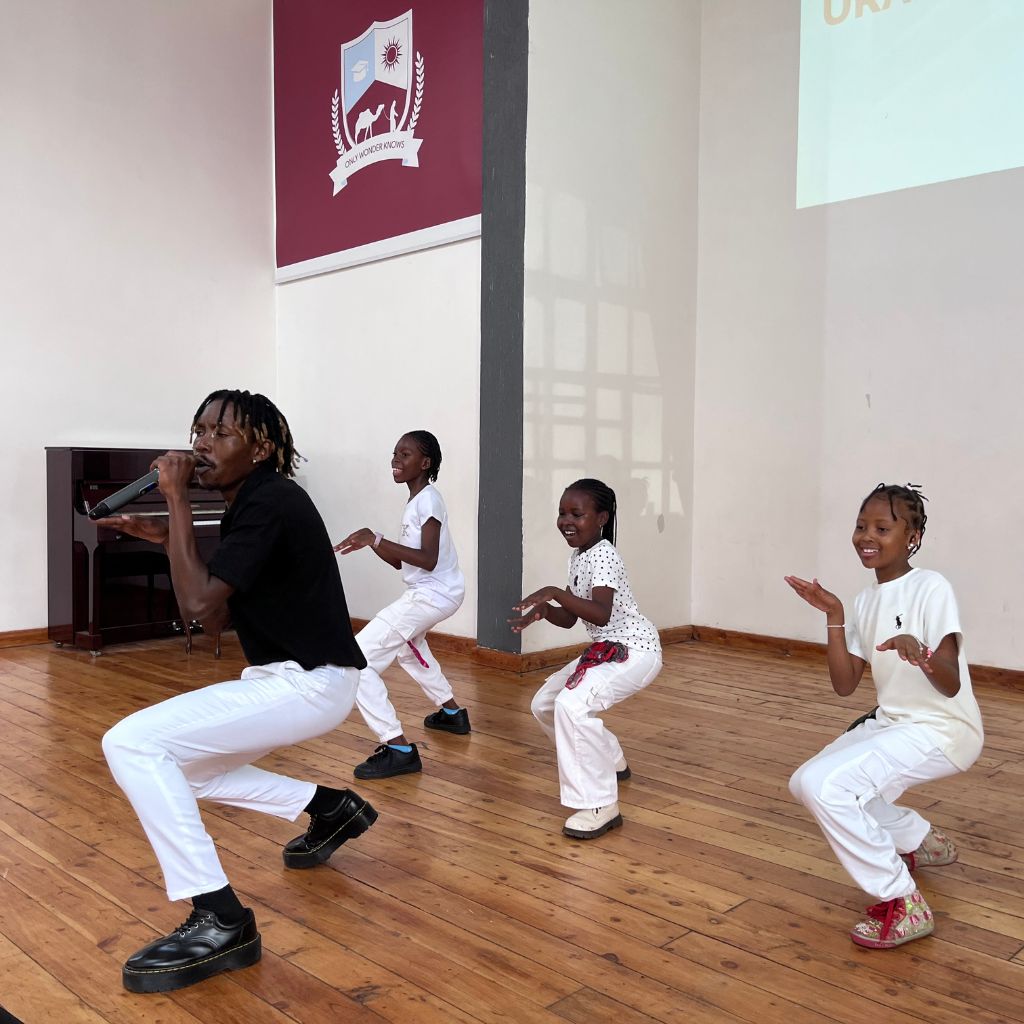
Our Dance Program is designed to help learners build confidence, creativity, and strong technical foundations across multiple dance styles. Each session is structured, intentional, and aligned with age-appropriate development.
Dance Curriculum
Our curriculum blends technique training, choreography, rhythm development, and performance skills. Learners improve coordination, flexibility, musicality, and stage presence through a progressive, guided structure that grows with them.
Qualified Instructors
Our classes are led by professional dancers and certified instructors with real performance and teaching experience. They know how to nurture talent, build discipline, and teach safely, ensuring every learner grows without injury or overwhelm.
Styles We Teach
We expose learners to a rich mix of cultural and contemporary dance styles so they can discover what excites them while developing versatility and confidence:
– Afro-fusion – rhythmic, expressive, and rooted in modern African movement
– Contemporary – fluid, creative, and focused on expression and technique
– Hip Hop – energetic, dynamic, and packed with freestyle elements
– Traditional Dance – cultural grounding through heritage and storytelling
– Amapiano – fun, upbeat, and perfect for building rhythm and coordination
Each style contributes something unique to a learner’s growth, making them well-rounded performers.
Annual Dance Showcase
At the end of each year, learners perform in our Dance Showcase — a vibrant event where parents get to watch the routines, creativity, and progress their children have built throughout the year. It’s a celebration of growth, hard work, and joy.
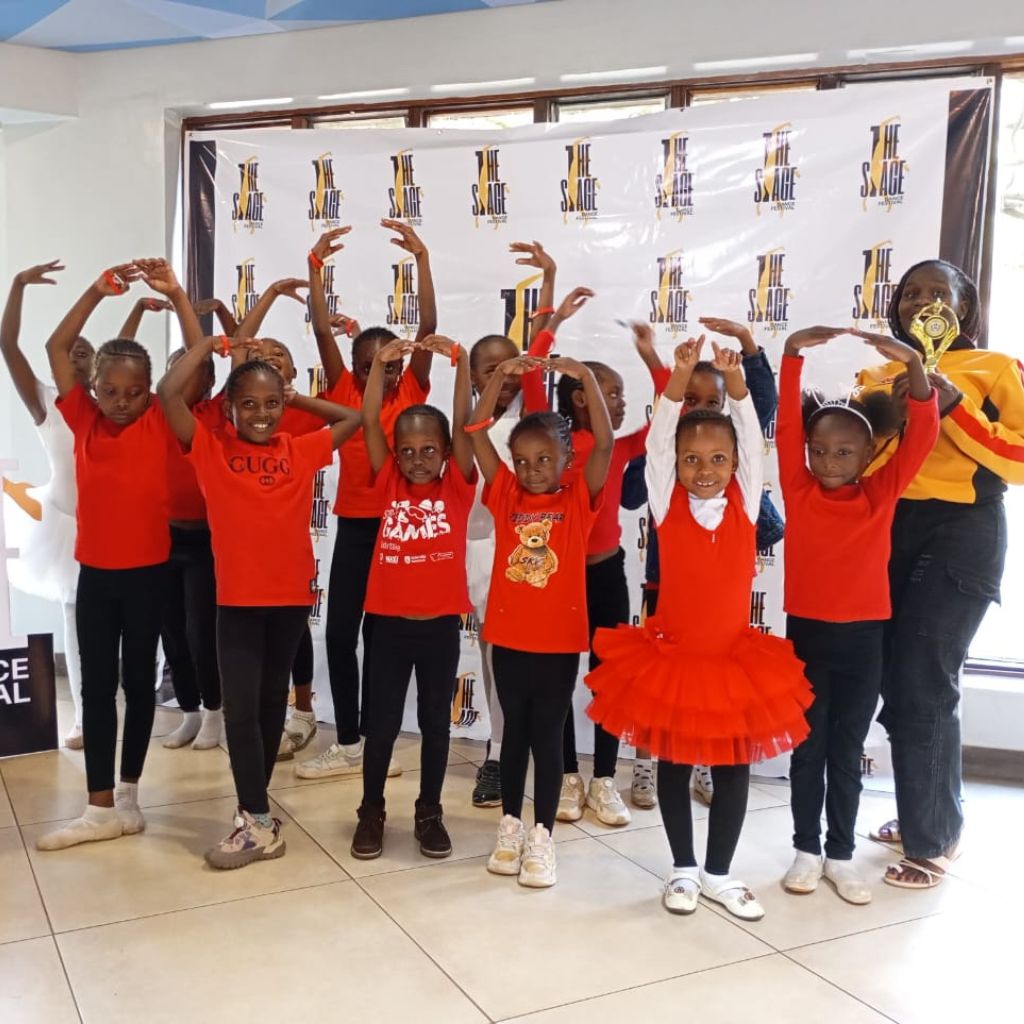
Our Ballet Program is built to develop strong technique, confidence, posture, and artistry. Through structured levels and thoughtful instruction, learners grow into disciplined, expressive dancers with a solid classical foundation.
Ballet Curriculum
Our curriculum introduces learners to the fundamentals of classical ballet through age-appropriate, progressive training. Students develop proper posture, alignment, flexibility, coordination, and musicality. Each stage builds on barre work, centre practice, and across-the-floor combinations to ensure consistent, measurable growth in both skill and confidence.
Qualified Ballet Instructors
Our ballet classes are led by trained and experienced instructors with strong foundations in classical technique. They understand safe teaching methods, proper body alignment, and how to guide learners through structured levels without injury or overwhelm. Their expertise ensures every dancer receives precise, supportive, and professional instruction.
Technique & Conditioning
To help dancers build the strength and control ballet demands, we integrate targeted technique and conditioning into every lesson. Learners work on core stability, foot strength, flexibility, balance, and controlled movement. This holistic approach prepares them for more advanced work while improving overall body awareness and discipline.
Performances & Competitions
Our learners participate in recitals, showcases, and selected competitions where they can apply their technique on stage. These performance opportunities help dancers build confidence, refine their artistry, and experience the joy of sharing their progress with an audience.
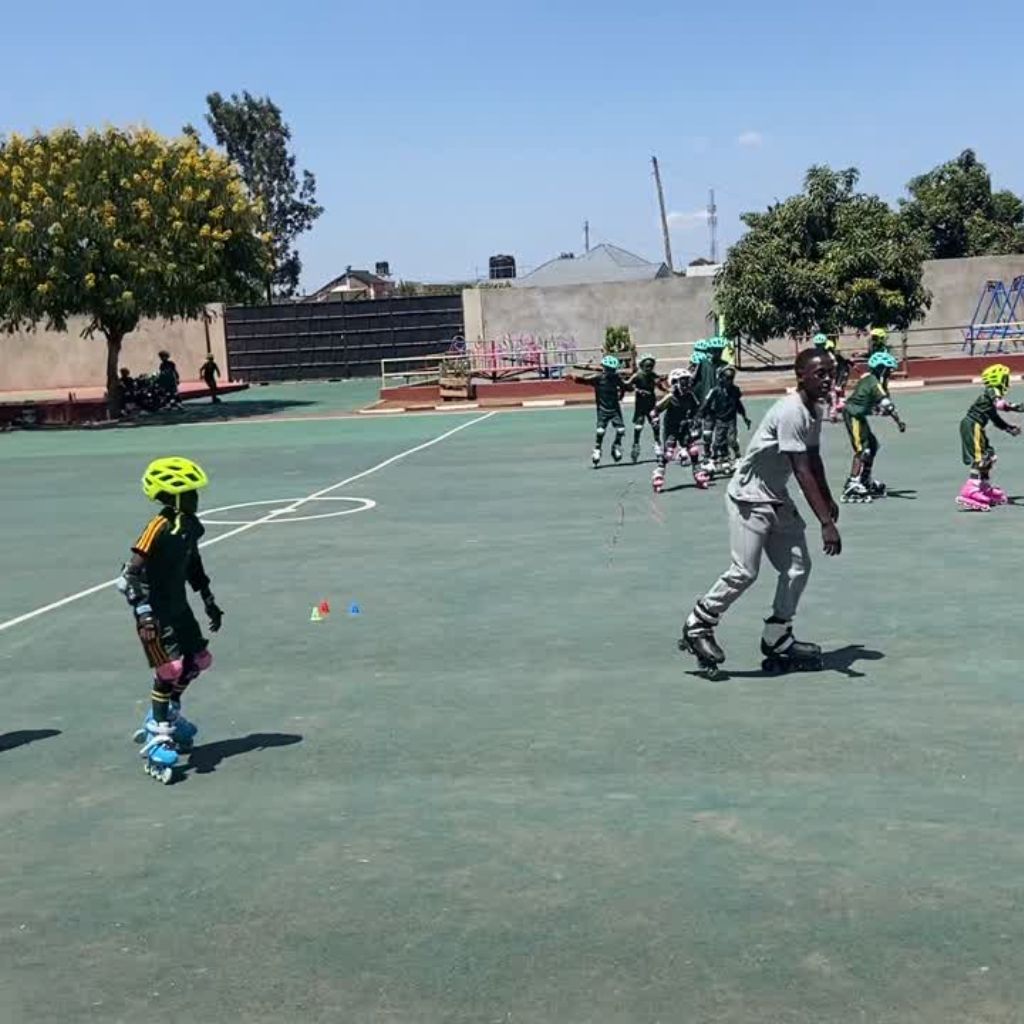
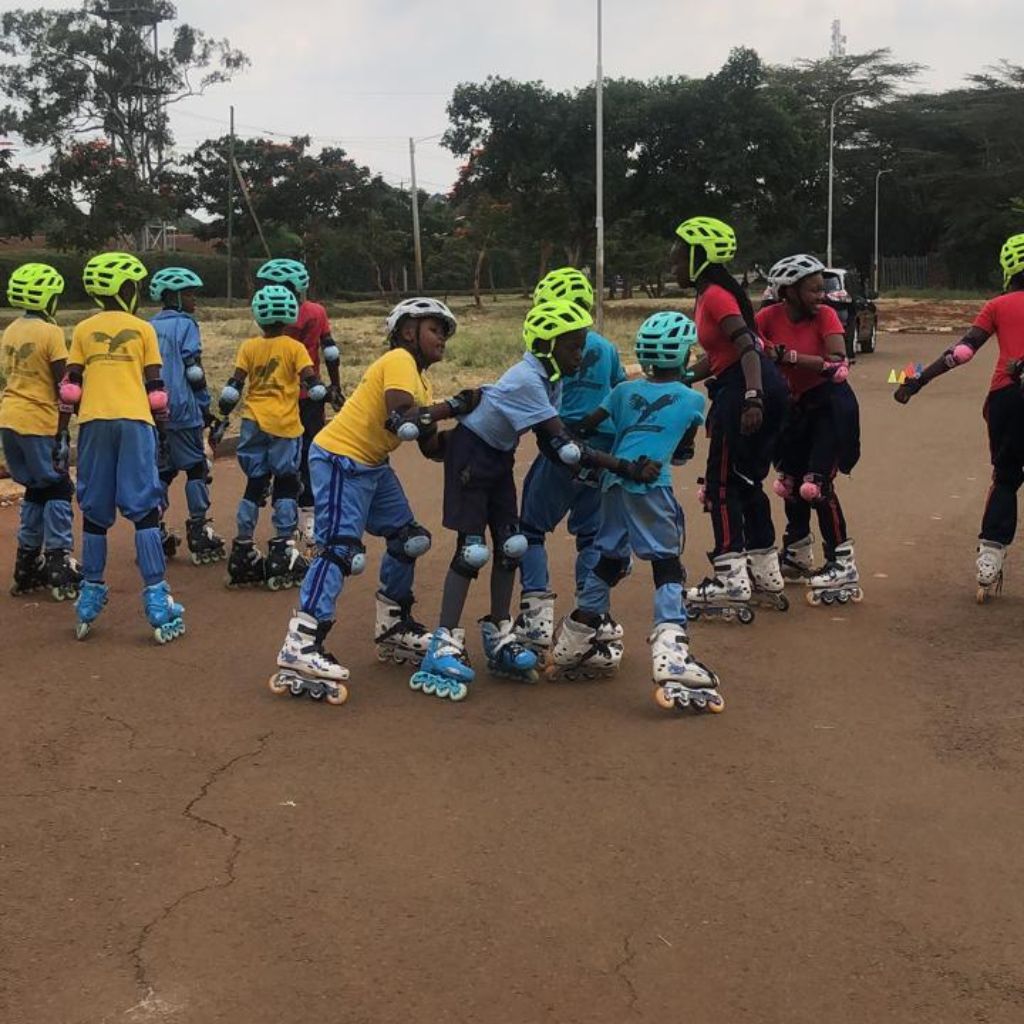
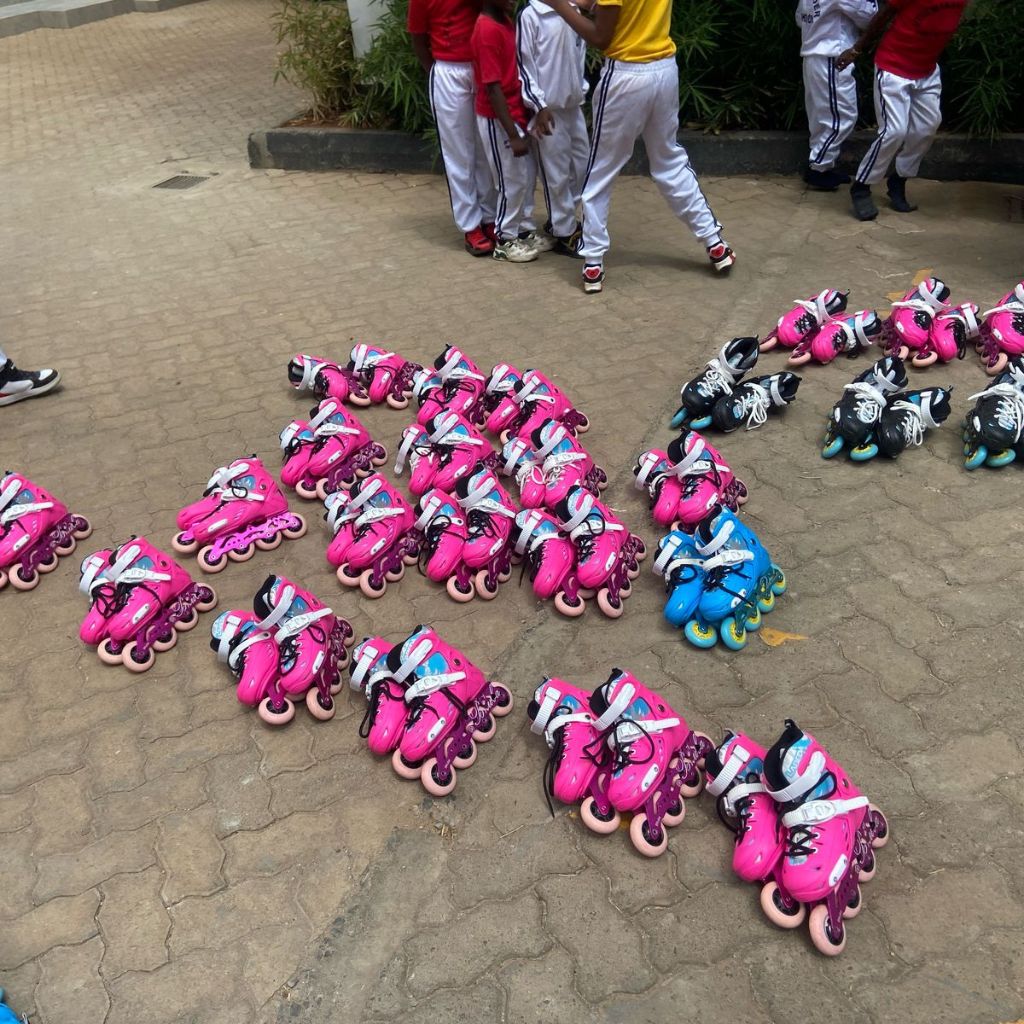
Our Skating Program helps learners build balance, coordination, confidence, and full-body control through structured, safe, and enjoyable training. Each session blends guided drills with independent practice, ensuring students develop real skills they can apply both in class and beyond.
Foundational Skills & Progressive Training
Learners begin with essential skating skills like balance, weight shifting, smooth starts, controlled stops, and gentle turns. As they improve, they are introduced to intermediate techniques such as crossovers and basic backward skating. This step-by-step approach builds strong technical foundations while preparing them for more advanced routines in future terms.
Safety-First Approach
Safety is built into every part of the program. Students learn how to use protective gear correctly (helmets, knee pads, elbow pads, and wrist guards) and are taught safe falling, controlled speed, and proper posture. These habits ensure they skate confidently while minimizing the risk of injury.
Strength, Balance & Coordination Development
Skating sessions include targeted drills that build body awareness, control, and fluid movement. Through repeated practice, learners improve:
– balance on one foot
– coordination and rhythm
– smooth transitions and turns
– confidence in independent movement
Every class strengthens both the body and the learner’s sense of self-assurance.
Discipline, Consistency & Enjoyment
Beyond physical skills, skating teaches focus, patience, and resilience. Learners follow structured instructions, practice regularly, and celebrate progress at their own pace. The blend of discipline and fun keeps learners motivated while nurturing a genuine love for skating.
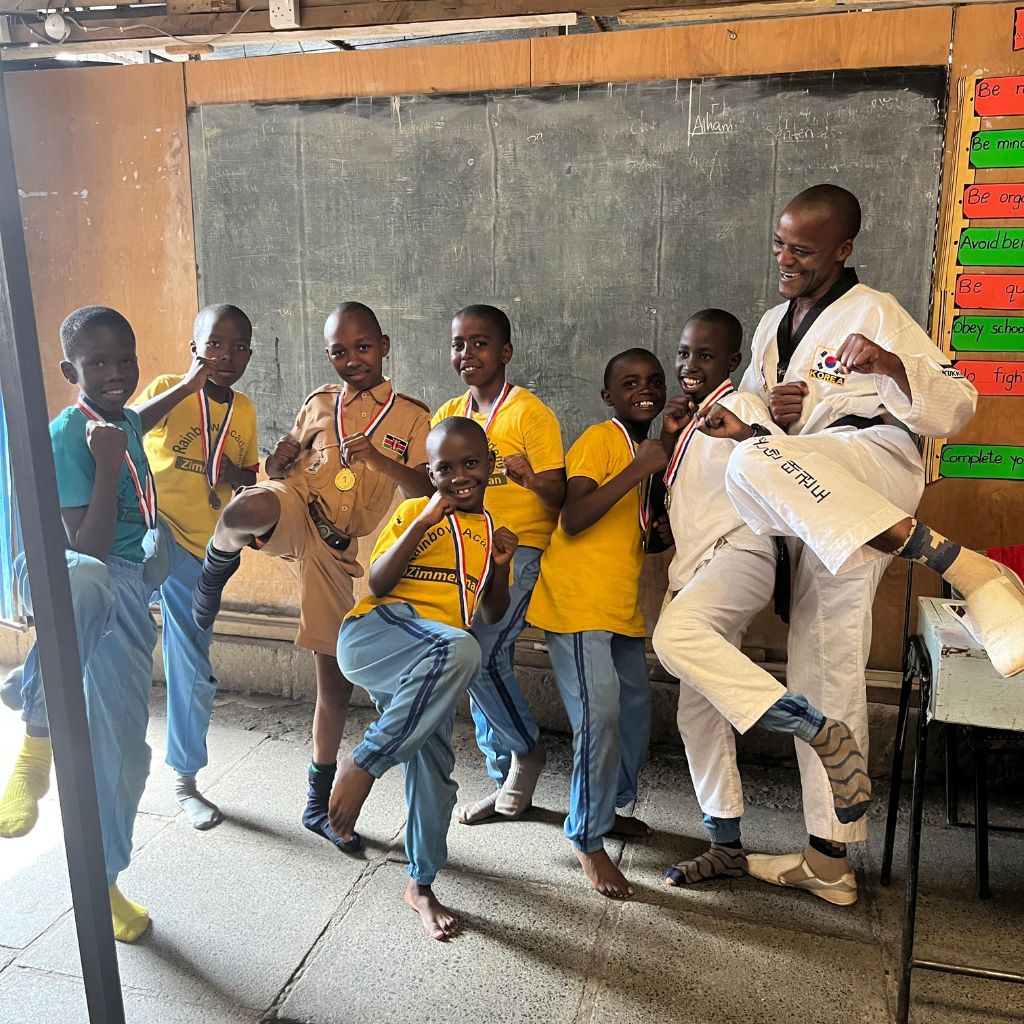
Our Taekwondo Program is designed to develop strength, discipline, confidence, and strong moral character. Learners train under a structured curriculum inspired by World Taekwondo standards, combining physical technique with mental focus and respectful conduct inside and outside the dojang.
Training Structure
Our curriculum introduces learners to the core pillars of Taekwondo through a progressive, step-by-step training system. Students begin with warm-ups and fundamental techniques, developing proper stances, blocks, punches, and kicks.
Training covers the three official areas of Taekwondo practice:
– Poomsae (formal patterns that build coordination, memory, and discipline)
– Kyorugi (sparring drills that sharpen timing, distance, control, and focus)
– Kyukpa (breaking techniques that demonstrate power and accuracy)
Each class is carefully supervised to ensure safety and correct form. Learners gradually build strength, flexibility, balance, and confidence as they advance through the curriculum.
Philosophy, Discipline & Moral Values
Taekwondo is more than a sport. It is a discipline rooted in respect, self-control, and personal growth. Learners are taught the traditional Tenets of Taekwondo: Courtesy, Integrity, Perseverance, Self-Control, and Indomitable Spirit.
Through bowing, etiquette, and dojang conduct, students learn humility, patience, and responsibility. The program helps learners improve emotional balance, mental focus, and character, skills that extend far beyond training. Every movement reinforces values that shape discipline in everyday life.
Skill Progression
Students advance through a structured belt system, from White Belt to Black Belt, with each level representing growth in skill, maturity, and understanding. Belt progression is not automatic. It is earned through consistent effort, proper technique, respect, and readiness.
At each stage, learners develop new forms, sparring combinations, and self-defense techniques. As they progress, training becomes more challenging, building confidence, accuracy, and leadership. Higher-ranking students are encouraged to guide their peers, reinforcing responsibility and teamwork.
Competitions & Testing
Learners participate in belt promotion tests and may take part in tournaments, demonstrations, and sparring events when ready. These experiences build confidence and allow students to apply their skills under supervision and structured rules.
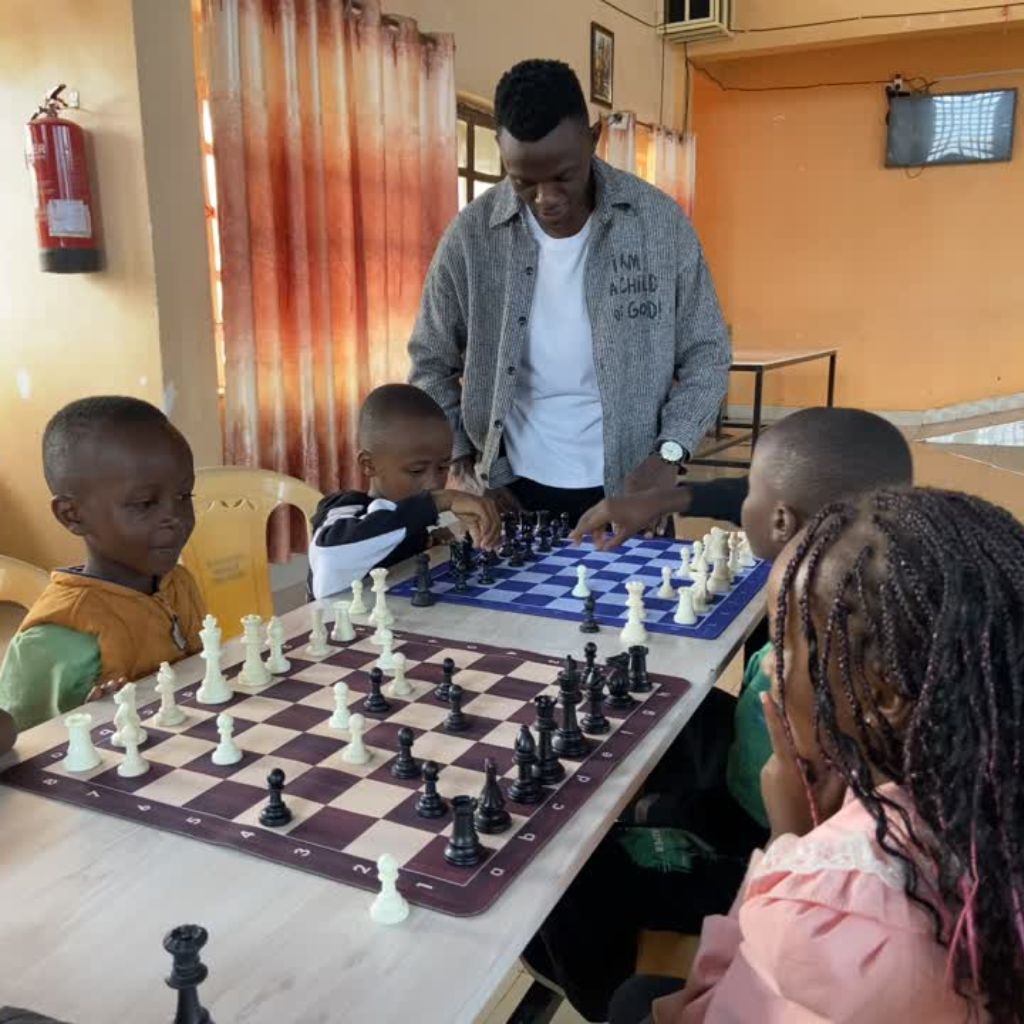
Our Chess Program develops sharp thinkers, confident decision-makers, and strategic problem solvers. Through structured lessons, guided practice, and competitive play, learners build the mental discipline, focus, and creativity that define strong chess players, skills that benefit them far beyond the board.
Skill Development
Learners are introduced to the fundamentals of chess — board orientation, piece movement, and basic rules — before moving into deeper levels of strategy and tactics.
As they progress, students explore:
– tactical patterns such as forks, pins, skewers, and discovered attacks
– opening principles that build strong positions
– middle-game planning and piece coordination
– endgame techniques that turn small advantages into wins
– calculation, decision-making, and logical reasoning
This structured approach helps learners think ahead, spot patterns quickly, and develop confidence in their choices.
Qualified Chess Coaches
Our instructors bring real playing and coaching experience to each session. They understand how to break down complex ideas into simple, engaging lessons that build skill without overwhelming learners.
Coaches guide students through level-appropriate instruction, helping beginners grasp the basics while pushing more advanced learners to analyse positions, evaluate trade-offs, and refine their strategic thinking.
Training Methods
Training is based on interactive, hands-on learning rather than rote memorization. Learners practise through:
– graded tactical puzzles
– guided practice games
– opening and endgame exercises
– scenario-based challenges
– post-game analysis and feedback
These methods strengthen concentration, improve problem-solving, and teach learners how to learn from mistakes, a key part of chess and life.
Tournaments
Students take part in friendly in-class tournaments, inter-school matches, and selected competitive events. These experiences help learners:
– apply strategies under real pressure
– build composure and confidence
– develop sportsmanship and patience
– learn how to win with humility and lose with dignity
Competition becomes a tool for growth, not intimidation, reinforcing both skill and character.